India and the US are working toward a bilateral trade deal that officials hope to finalise this year.
The deal is intended to address tariff issues affecting Indian exporters.
India could otherwise face an overall tariff rate of around 18%.
Commerce Minister Piyush Goyal led trade talks in the US on September 22.
The outcome partly depends on fresh Section 301 probes into India’s competitor countries.
Commerce Secretary Rajesh Agrawal has said India is hopeful of reaching a framework trade deal with the US this year.
Officials have said a framework deal would aim to address tariff issues to the benefit of Indian exporters.
Bilateral trade talks between India and the US have continued across multiple rounds through 2026.
Trade negotiations of this scale typically involve discussions across multiple sectors, including agriculture, technology and manufacturing.
India’s exports to the US span sectors including textiles, pharmaceuticals, IT services and engineering goods.
Tariff uncertainty has previously been cited by Indian exporters as a factor affecting planning and investment decisions.
A framework trade agreement typically sets out broad terms, with detailed sector-specific provisions negotiated in subsequent phases.
Indian industry bodies have periodically engaged with both governments during the course of these negotiations.
Bilateral trade between India and the US has grown significantly over the past decade across goods and services.
India and the US are continuing negotiations on a bilateral trade deal.
The two sides had reached an initial understanding on a deal in February 2026.
Negotiations slowed after a set of US tariff measures were struck down by the US Supreme Court.
The US had separately launched Section 301 investigations into unfair trade practices involving several trading partners, including India.
A blanket 10% tariff was imposed alongside those investigations.
India is reportedly likely to face an additional 8% tariff under a related excess-capacity probe, which would take its overall rate to around 18%.
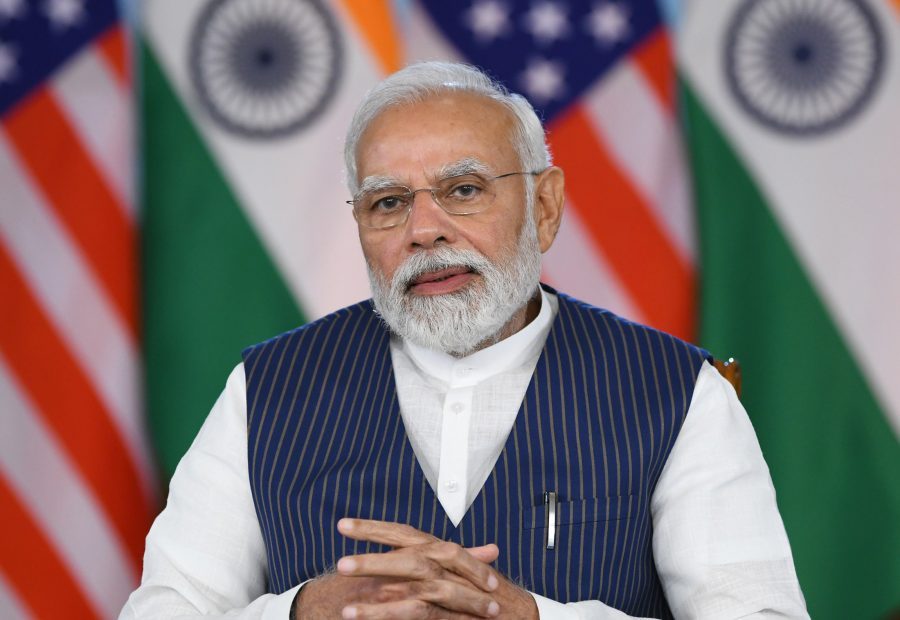
India-US engagement (representative image), Wikimedia Commons, GODL-India