The plea will be heard on Sunday, October 11, 2026 by Justices Joymalya Bagchi and V Mohana.
It was filed by Shailendra Mani Tripathi through advocate Chand Qureshi.
It relies on the court’s October 9 order against a complete prohibition.
It seeks revocation of blanket prohibitory orders and a regulated schedule.
The reports did not include the authorities’ response.
The bench will be of Justices Joymalya Bagchi and V Mohana.
The plea has been filed by Shailendra Mani Tripathi through advocate Chand Qureshi.
It names Union Home Secretary Govind Mohan and other authorities as respondents.
It accuses the Delhi Metro, Delhi Police and the Union government of deliberate disregard of the court’s orders.
The plea relies on the order passed on Friday, October 9, by a bench of Chief Justice Surya Kant and Justices Joymalya Bagchi and V Mohana.
That order directed that there be no complete prohibition on the movement of Metro and train services into Delhi on October 10.
The bench observed that the notifications appeared to overreach, and that a total prohibition is different from regulation of transport.
The plea says that Metro stations in Delhi were kept closed despite that direction.
Authorities closed 45 stations from 9 pm on Friday until 6 pm on Saturday for security reasons, according to an advisory cited in the plea.
The plea seeks immediate revocation of blanket prohibitory orders against Metro and railway operations.
It also seeks a strictly regulated operating schedule with immediate public notice.
The Supreme Court said on October 9 that an entire city cannot be shut down because of protests.
It said that restrictions must be proportionate and that authorities must issue a traffic advisory and give due publicity to their decisions.
Solicitor General Tushar Mehta had defended the measures as meant to maintain law and order.
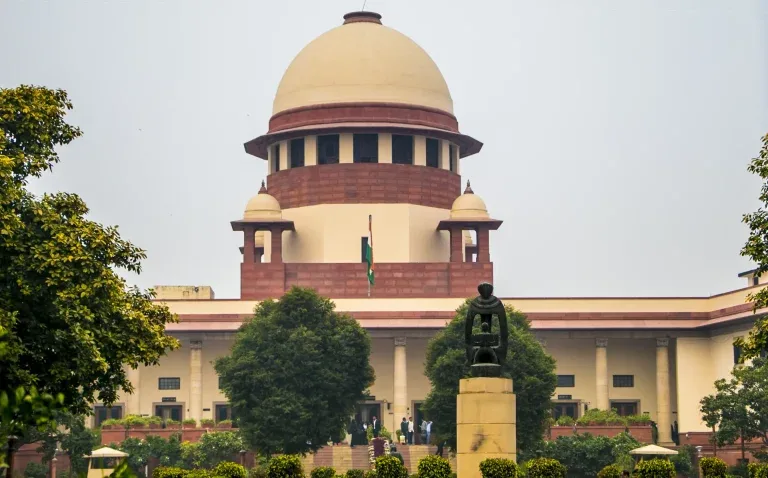
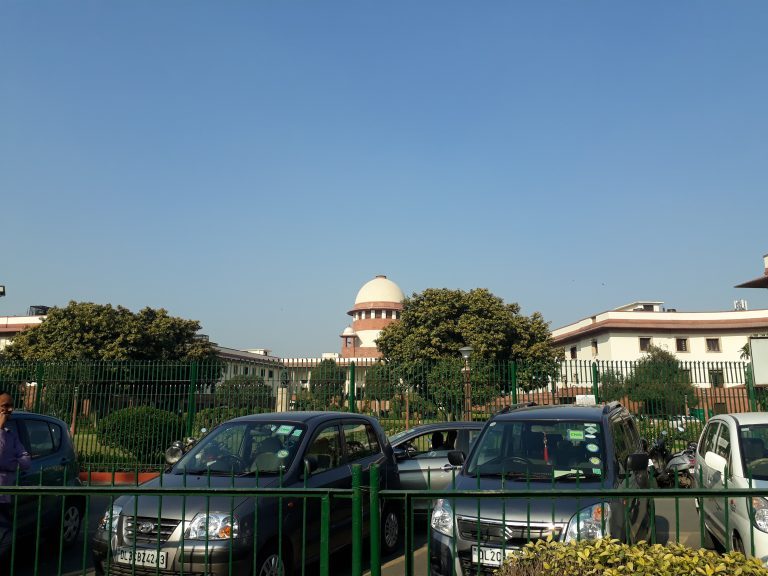
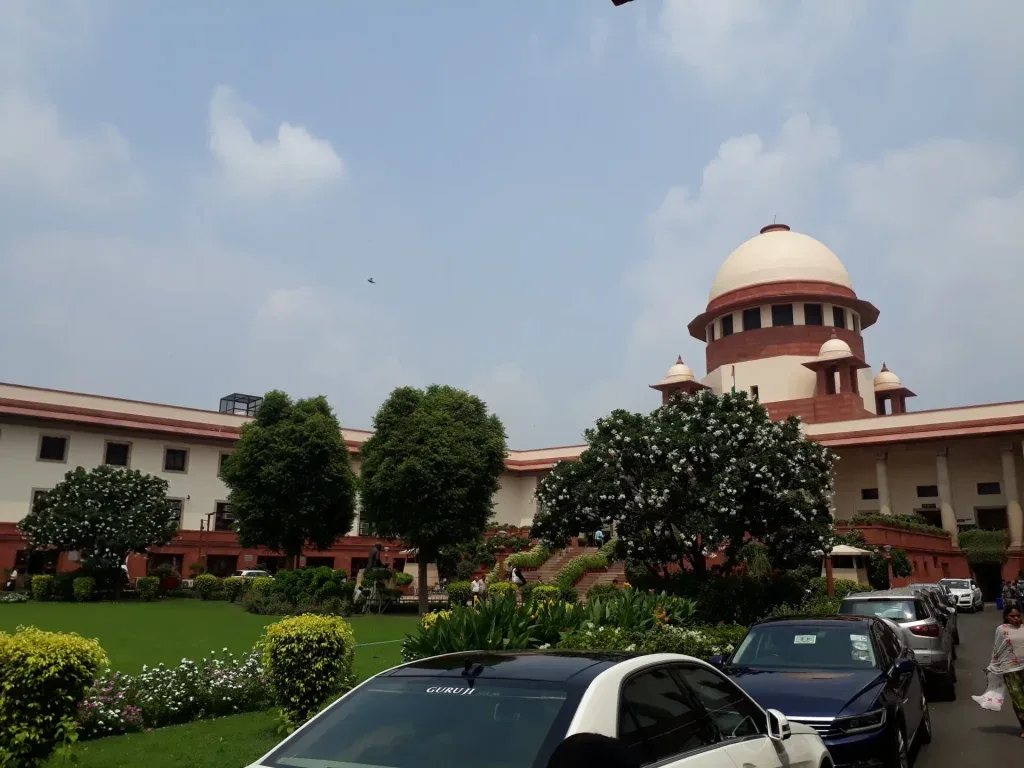
Supreme Court of India (file image), Wikimedia Commons, CC BY-SA 4.0