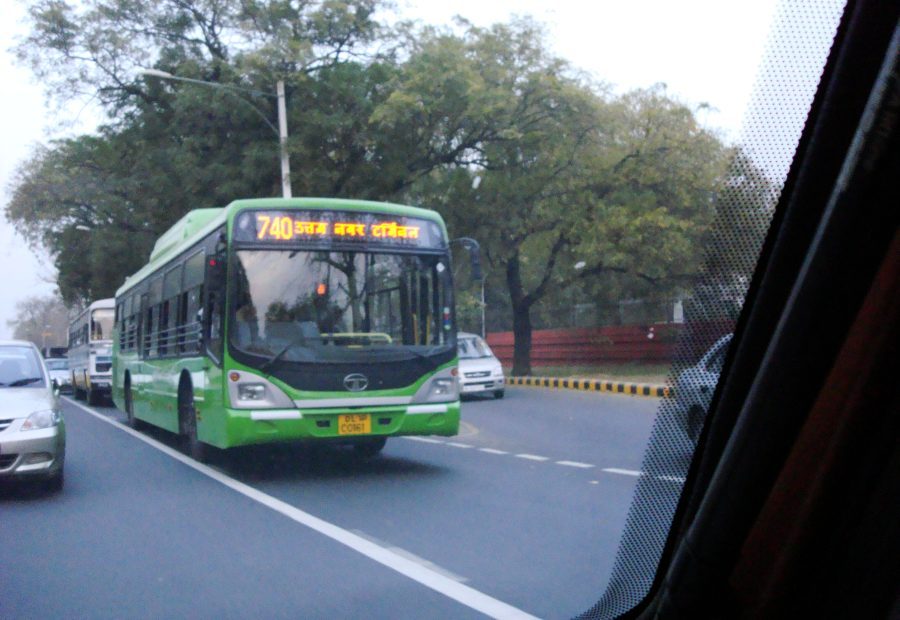
Delhi’s DTC strike left commuters stranded in several areas.
Delhi Metro added trains during peak hours.
The union says more than 10,000 drivers and conductors are on strike.
The government says certain benefits have been approved.
The strike continued through the weekend.
The government distinguished between direct DTC employees and those hired through private contractors.
Union president Lalit Chaudhary said the drivers were not asking for anything unreasonable and that the protest would continue until the demands were met.
Reports differed on the day count, with one report calling Friday the fourth day of the strike and another saying it entered its fifth day on Saturday.
No emergency order to end the strike was reported in the accounts reviewed.
The strike began earlier in the week and continued through the weekend.
Many Delhi residents rely on DTC buses for daily commuting, so even a short strike has a wide impact on the city.
The strike by contractual drivers and conductors of the Delhi Transport Corporation continued through the weekend of September 19 and 20.
It is led by the DTC Karmachari Ekta Union, which claims that more than 10,000 drivers and conductors are taking part.
The union is demanding a daily wage of Rs 2,000, against the current Rs 862 a day.
Other demands include medical facilities, social-security benefits, an annual bonus, payment for government holidays and leave.
Thousands of buses remained parked at depots across the capital.
Services were reported to be hit in areas including Burari, Wazirpur, Nehru Place, Rajghat, Rani Khera, Ghumanhera and Sarita Vihar.
Long queues were seen at bus stops, and some e-rickshaw drivers were asking Rs 15 to Rs 20 for distances of two to two and a half kilometres.
Delhi Metro added train services during peak hours as more commuters switched to it.
DTC low-floor bus, Delhi (representative image), Wikimedia Commons, CC BY 2.0