
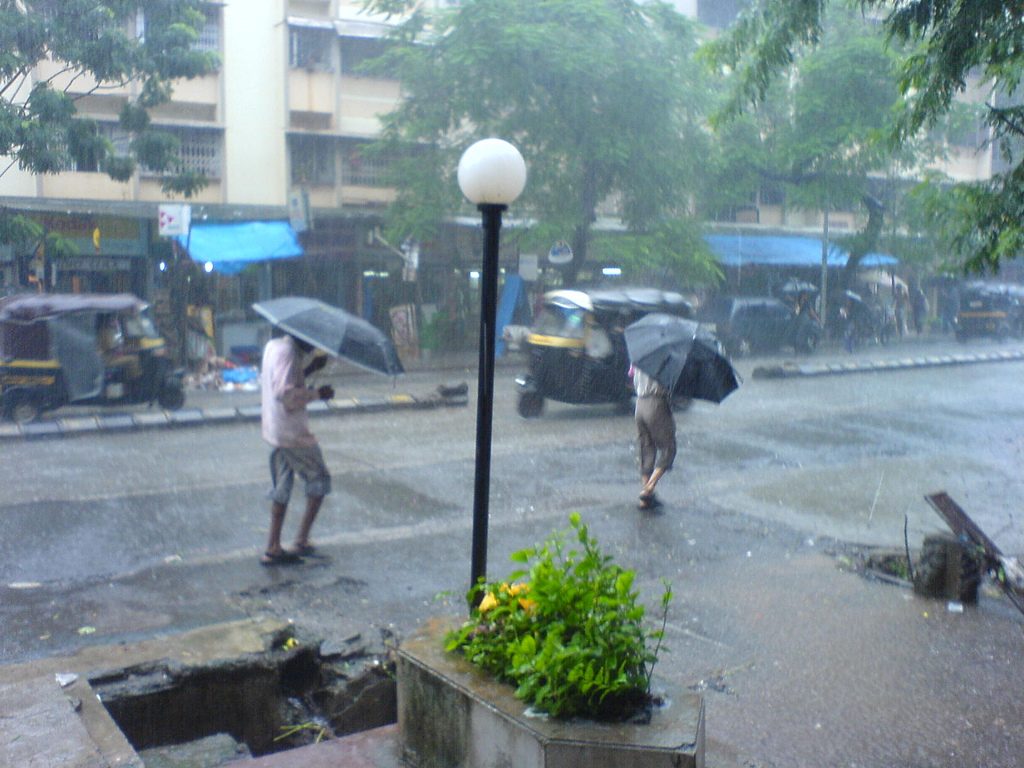
Maharashtra is under a yellow alert for rain and thundershowers on September 30.
The alert covers Mumbai, Pune, Nagpur, Nashik, Satara, Sindhudurg and Kolhapur.
Delhi is forecast to stay dry, with a high of 31 degrees Celsius and no chance of rain.
Delhi’s dry spell is expected to continue until October 5.
Northeast India is separately forecast to see widespread rainfall on the same day.
A yellow alert indicates a need for general awareness, one level below the more serious orange and red alerts.
Maharashtra typically sees late-season rain spells through September and into early October as the monsoon withdraws.
Local authorities in flagged districts often issue additional advisories during yellow-alert conditions.
Weather patterns can vary significantly across India on any given day given the country’s size and diverse geography.
The IMD tracks regional weather systems using satellite imagery, radar and surface observation stations.
Coastal Konkan districts typically see heavier and more frequent late-season rain than inland Maharashtra.
Local disaster management authorities in Maharashtra routinely monitor low-lying and flood-prone areas during yellow-alert periods.
Farmers in the affected districts have separately been advised to take precautions for standing crops during the rain spell.
Weather forecasts of this kind are updated multiple times a day as regional systems evolve.
The IMD issued a yellow alert for parts of Maharashtra on September 30.
The alert covers Mumbai, Pune, Nagpur, Nashik and Satara among other districts.
Rain accompanied by thundershowers is forecast across Konkan and Madhya Maharashtra.
Sindhudurg, Satara and Kolhapur districts were specifically flagged for the yellow alert.
Delhi, by contrast, is forecast to remain dry with clear skies on September 30.
Delhi’s maximum temperature was expected to reach 31 degrees Celsius, with lows around 22 degrees Celsius.
There was a 0% chance of rain forecast for Delhi on the day.
The IMD said Delhi’s dry spell is likely to continue until October 5.
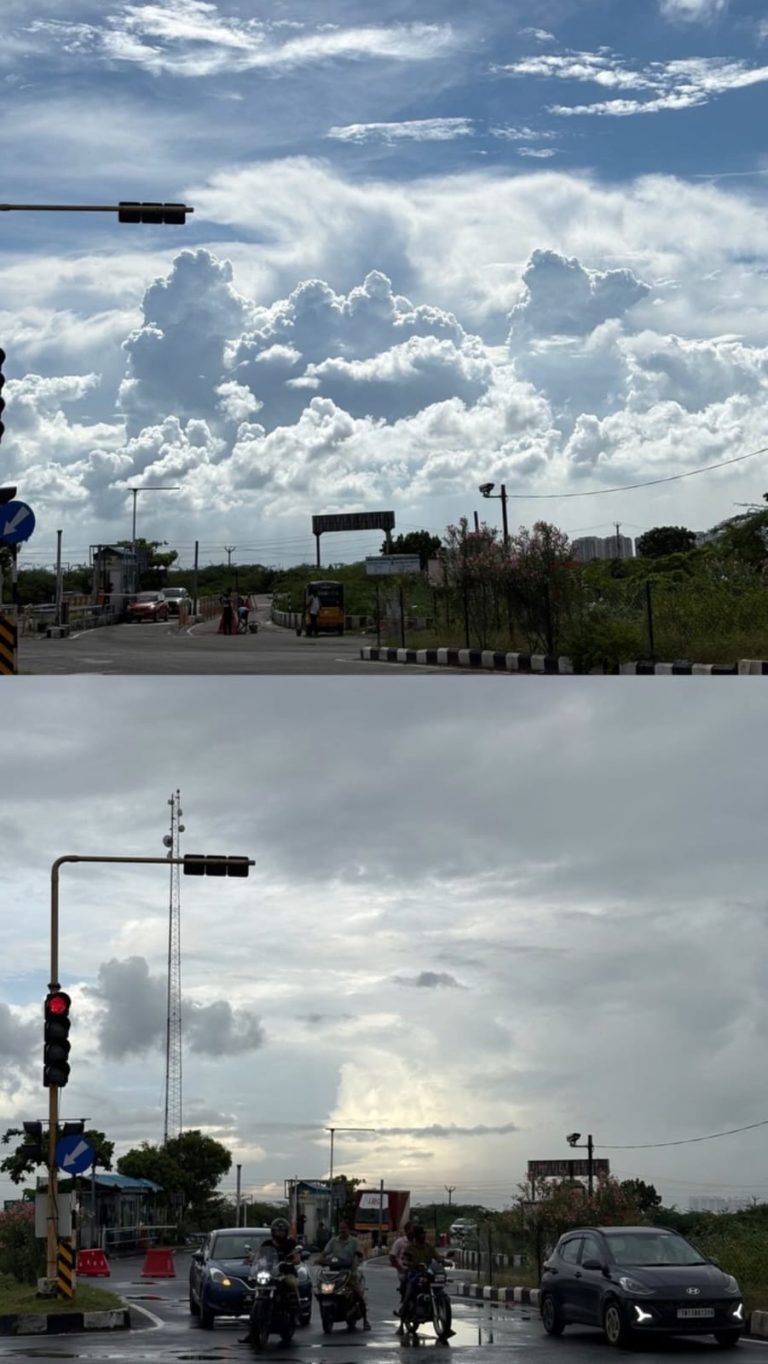
Mumbai monsoon rain (representative image), Wikimedia Commons, CC BY-SA 2.0