
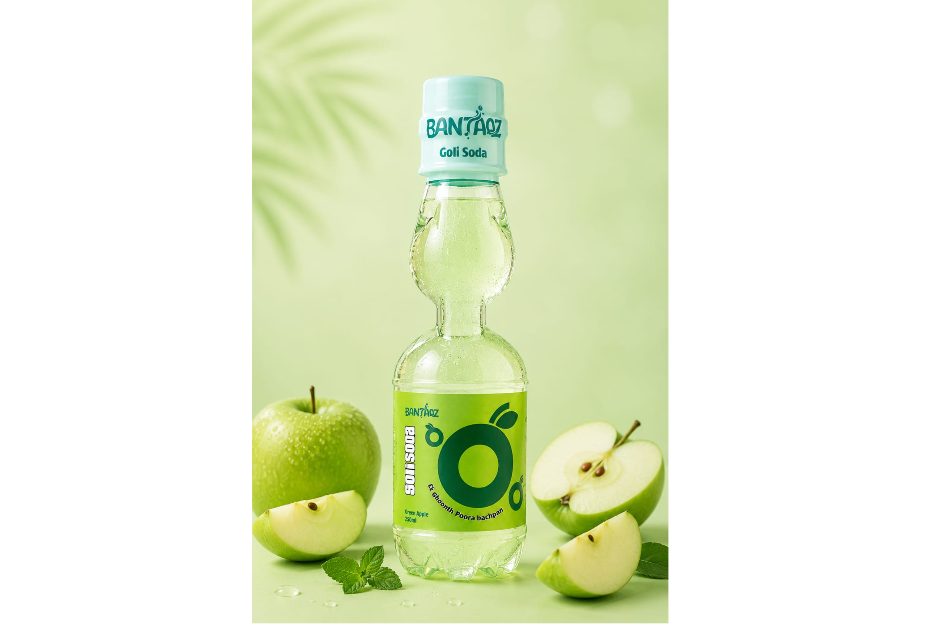
Every consumer product built around nostalgia makes an implicit wager: that a shared cultural memory can be converted into sustained commercial demand rather than remaining a passive, sentimental association. BANTAAZ, the goli soda brand under Flavours United Co., has built its entire business model around that specific bet, centered on India’s collective memory of traditional banta.
According to the company, its business philosophy frames beverages as “more than refreshments — they are experiences, emotions, and memories shared across generations,” with a stated goal not simply to sell bottles but to “revive a part of India’s culture with honesty, quality, and innovation.” That framing positions BANTAAZ’s commercial success as directly tied to how effectively it can activate and sustain a specific cultural memory across a broad consumer base, rather than competing purely on flavour or price against other beverage brands.
Why Nostalgia Marketing Carries Both Advantages and Risks
Nostalgia-driven branding can create an immediate emotional connection that purely functional product marketing struggles to replicate, since a shared cultural memory like childhood banta already carries positive associations before a consumer has even tried the specific new product. This advantage comes with a corresponding risk: nostalgia alone doesn’t guarantee repeat purchases if the actual product experience — taste, availability, pricing — doesn’t hold up independently, meaning BANTAAZ’s long-term success ultimately depends on converting an initial nostalgia-driven trial purchase into a genuinely preferred, repeatable beverage choice.
Generational Differences in How Nostalgia Actually Works
The specific consumers most likely to have direct childhood memories of traditional roadside goli soda — generally older millennials and Gen X consumers — may respond differently to BANTAAZ’s nostalgic positioning than younger consumers, including students and young professionals the brand also targets, who may have weaker or secondhand associations with the traditional product depending on their own upbringing and geography. This generational gap means BANTAAZ’s marketing likely needs to work on two levels simultaneously: activating genuine nostalgia among older consumers with direct memories, while building a more contemporary appeal for younger consumers encountering the category through the brand itself rather than personal recollection.
FAQ
What is BANTAAZ’s core brand philosophy?
According to the company, it positions beverages as vehicles for shared memory and cultural experience, with a stated goal of reviving part of India’s beverage culture rather than simply selling a product.
Does nostalgia marketing guarantee a product’s commercial success?
No — nostalgic appeal can drive initial trial, but sustained commercial success generally depends on the underlying product experience holding up independently over repeat purchases.
Does BANTAAZ’s nostalgic appeal work the same way across different age groups?
Likely not uniformly — consumers with direct personal memories of traditional goli soda may respond differently than younger consumers with weaker or secondhand associations with the category.
Whether BANTAAZ’s cultural bet pays off will likely become clearer as the brand’s distribution expands beyond North India into regions and demographics with a more varied relationship to the specific memory the brand is built around.
Company Details
Visit- http://www.bantaaz.com