The NSE IPO wrapped up with 5.69 times overall subscription.
The issue size was Rs 22,569 crore.
Retail investors subscribed 1.36 times.
The shares are expected to list on September 24.
The grey market premium was about Rs 61.
After Hyundai Motor India’s Rs 27,870 crore IPO in 2024, the NSE issue is the second-largest public offering in India.
Earlier on the final day, the issue had been reported at 1.16 times subscription before institutional demand came in late in the day.
The size of the offer drew liquidity away from the secondary market during the week, and market commentary linked it to the muted gains in benchmark indices.
Investors who applied in the IPO can check allotment status through the registrar once the basis of allotment is finalised, which is expected on September 22.
IPO subscription figures show demand at the close of bidding and do not guarantee a listing gain, since listing-day prices depend on market conditions.
The Rs 22,569 crore initial public offering of the National Stock Exchange of India received 5.69 times subscription on the final day of bidding, September 21, 2026.
Qualified institutional buyers subscribed their portion 12.68 times, while the non-institutional investor quota was subscribed 6.54 times.
The retail investor portion was subscribed 1.36 times.
The price band was set at Rs 1,700 to Rs 1,785 per equity share.
The lot size is 8 shares, which makes the minimum investment about Rs 14,280 at the upper end of the price band.
The issue is entirely an offer for sale, which means the proceeds go to existing shareholders selling their stake and not to the exchange itself.
Bidding opened on September 17, 2026, and closed on September 21, 2026.
The shares are tentatively expected to list on September 24, 2026.
The grey market premium was reported at about Rs 61 per share, which would suggest listing gains of around 3.5 percent, though grey market figures are unofficial and can change quickly.
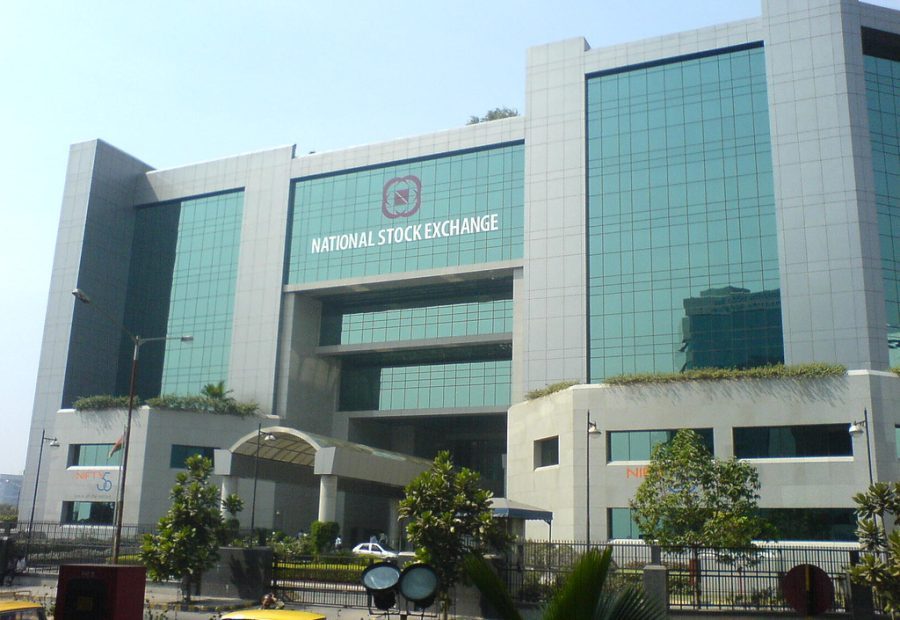
National Stock Exchange of India, Mumbai (representative image), Wikimedia Commons, CC BY-SA 2.0