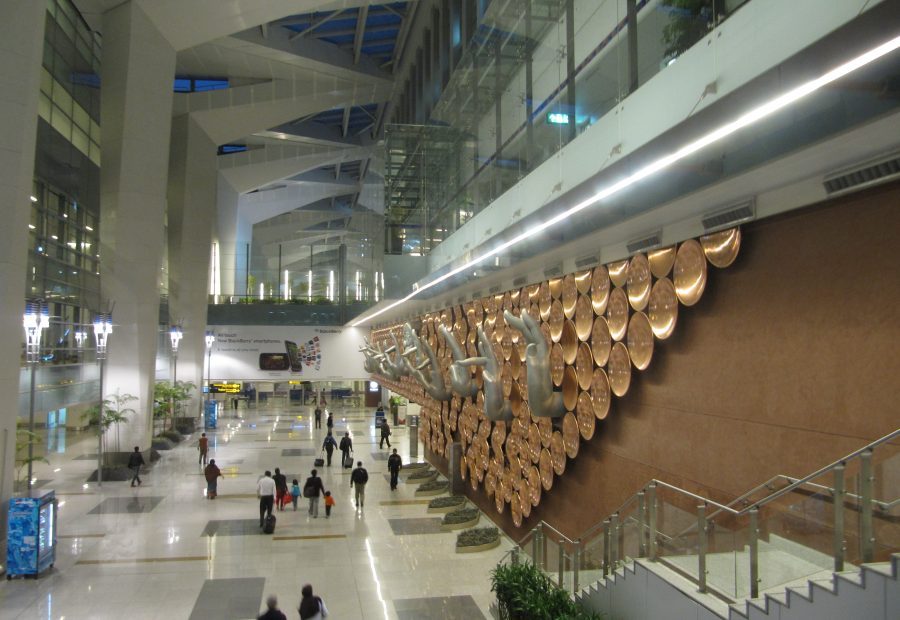
Flight delays hit Delhi and Mumbai airports on Tuesday as volcanic ash from Indonesia’s Mount Anak Krakatau continued to disrupt Asian air travel.
Across the region, the disruption totalled 2,927 delayed flights and 584 cancellations, affecting hubs in India, Japan, China and Southeast Asia.
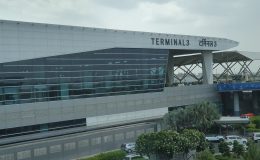
Delhi’s Indira Gandhi International Airport logged 177 delays and 4 cancellations; Mumbai’s Chhatrapati Shivaji Maharaj International Airport logged 245 delays and 3 cancellations.
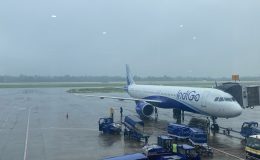
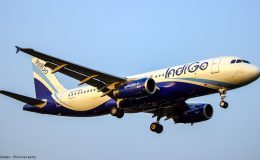
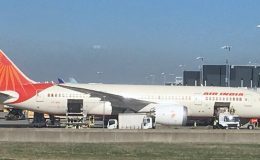
IndiGo reported 258 delayed flights and 9 cancellations, while Air India reported 114 delays and 2 cancellations.
The eruption began on September 4 in the Sunda Strait, and Indonesian authorities have kept the volcano at Alert Level III amid continued eruption risk.
Mount Anak Krakatau, in Indonesia’s Sunda Strait, began erupting on September 4, triggering a five-day aviation shutdown that closed eight Indonesian airports and stranded more than 270,000 passengers.
Jakarta’s Soekarno-Hatta International Airport recorded the highest number of cancellations in the region, with 207 flights called off as ash plumes drifted over the airspace.
Tokyo’s Haneda Airport recorded the highest delay count of any single airport, with 394 delayed flights as congestion rippled across connecting hubs.
Shanghai Pudong International Airport also reported disruption, logging 178 delays and 8 cancellations as the ash cloud affected regional air corridors.
As of September 7, Indonesian volcanological authorities kept Anak Krakatau at Alert Level III, warning that the risk of further eruptions remained high and that airports were reopening in phases rather than all at once.
Etihad Airways and SpiceJet were among the international and domestic carriers reporting delays on services to and from Delhi and Mumbai during the disruption.
Volcanic ash poses a direct safety hazard to jet engines, which is why aviation authorities impose ground restrictions and altitude diversions rather than allowing aircraft to fly through affected airspace.
Garuda Indonesia and Batik Air, the two largest carriers based in the affected region, reported the heaviest cancellation rates of any airline tracked in the disruption.
Interior of Terminal 3, Indira Gandhi International Airport, Wikimedia Commons, CC0