
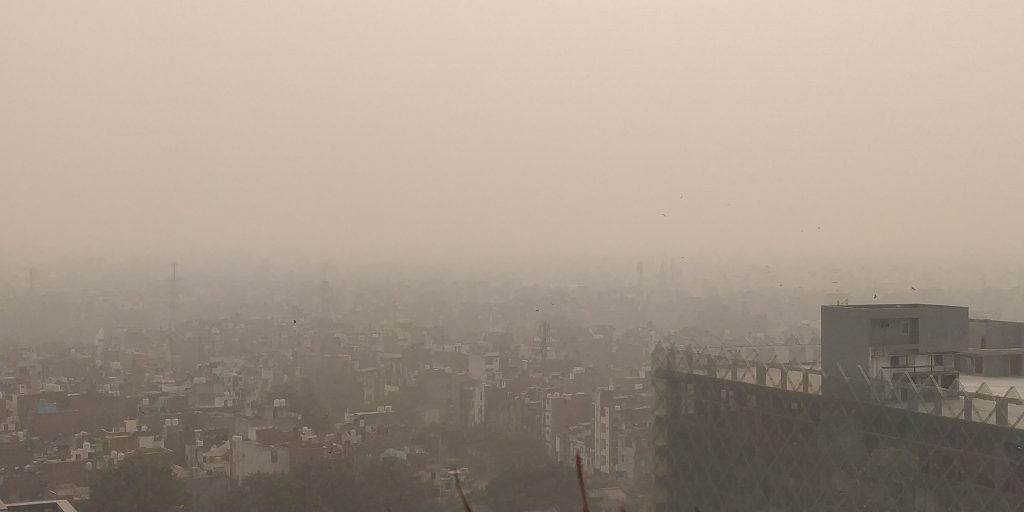
Delhi’s winter pollution action plan for 2026-27 was finalised after a review by Union Minister Bhupender Yadav and CM Rekha Gupta.
Measures include 50% work-from-home, doubled parking charges and staggered office timings.
A construction ban and restrictions on non-BS-VI outside vehicles take effect November 1.
A ‘No PUCC, No Fuel’ campaign will launch in October.
Public-participation events are planned at 37 pollution hotspots by October 10.
Delhi has completed redevelopment work on 1,193 km of roads, with the remaining work targeted for completion by November 15.
Delhi’s air quality typically worsens sharply during the winter months due to a combination of local emissions, stubble burning in neighbouring states, and weather conditions that trap pollutants.
The Delhi government has introduced winter action plans in previous years with varying combinations of similar measures.
Coordination between the central and Delhi governments on pollution control has been a recurring feature of the annual winter planning process.
Enforcement agencies typically ramp up monitoring of construction sites and industrial units during the winter action plan period.
Public health experts have repeatedly linked Delhi’s winter air quality decline to a rise in respiratory illnesses during the season.
Union Environment Minister Bhupender Yadav chaired a high-level meeting with Delhi Chief Minister Rekha Gupta to review the capital’s winter pollution action plan.
The Winter Protocol includes restrictions on polluting vehicles, doubled parking charges, staggered office timings and 50% work-from-home arrangements.
These measures are set to take effect from November 1, 2026, and continue through February 2027.
Vehicles registered outside Delhi and not meeting BS-VI emission standards will be barred from entering the city from November 1, except CNG and EV vehicles.
A construction activity ban is also part of the plan.
The government will launch a ‘No PUCC, No Fuel’ awareness campaign in October, strictly enforcing valid pollution certificates at petrol pumps.
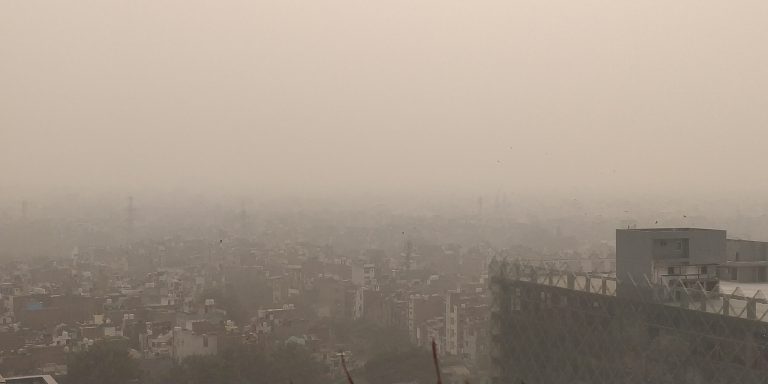
Delhi air pollution (representative image), Wikimedia Commons, CC BY-SA 4.0