
The Centre raised the windfall export duty on petrol to Rs 2.50 per litre and cut it on diesel to Rs 8.50 per litre, effective October 16, 2026, according to UNI and The Statesman.
The duty on aviation turbine fuel stayed at Rs 10.50 per litre, and domestic excise duties are unchanged.
The levies were reintroduced in March 2026 and are reviewed every fortnight.
The reports gave no reasons for the specific rates and no revenue estimate.
HDFC Sky reported that petrol and diesel prices held steady on October 16 as the government revised the export duties.
A windfall tax is a levy on unusually high profits that arise from market conditions and not from a company’s own decisions, and in this case it is applied to fuel exports.
An export duty on fuels is meant to encourage refiners to supply the domestic market first and to capture part of the extra earnings from high international prices.
A higher duty on petrol exports makes selling petrol abroad less attractive, while a lower duty on diesel makes diesel exports more attractive than before.
The reports did not give the reasons for the specific changes in the rates.
Reliance Industries and other refiners that export fuel are affected by the duties, but the reports reviewed carried no company response.
The reports reviewed carried no estimate of the revenue effect of the revision.
Crude oil was trading around 106 dollars a barrel on October 12, according to HDFC Sky’s market report, which shows why the government has kept the levies in place.
The next fortnightly review is expected around the start of November, going by the fortnightly schedule.
Readers should check the official notification for the exact rates and effective dates.
The Centre has raised the windfall export duty on petrol to Rs 2.50 per litre and cut it on diesel to Rs 8.50 per litre, effective Friday, October 16, 2026, according to UNI, The Statesman and Northlines.
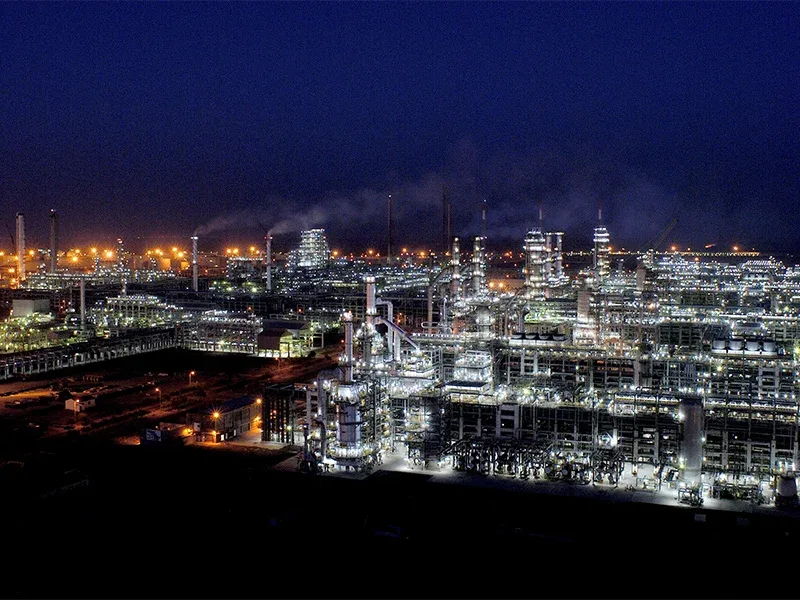
Jamnagar refinery (file image), Wikimedia Commons, CC BY-SA 4.0